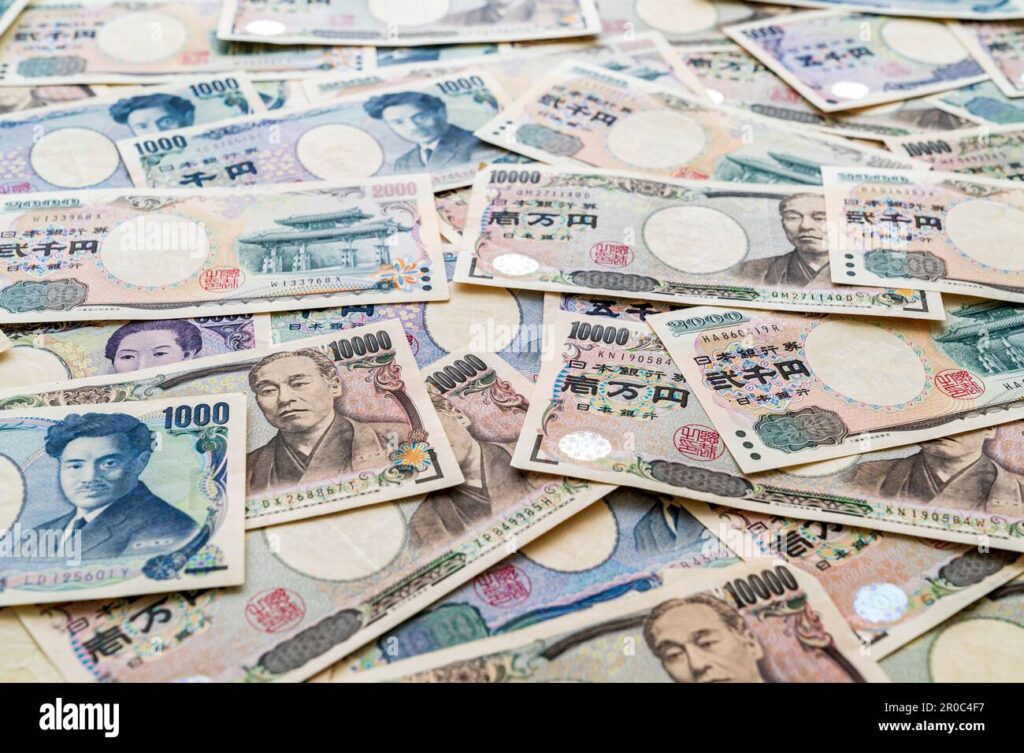
Money & Cost
Money and Costs in Japan: What to Expect
Japan’s reputation for being expensive often worries first-time travelers, but the reality is more nuanced. The cost of traveling in Japan depends largely on where you go, how you travel, and how you choose to eat and stay. With a bit of planning, Japan can be surprisingly manageable for a wide range of budgets.
Daily Spending Expectations
For most travelers, daily expenses in Japan fall into three main categories: food, transportation, and activities.
Food costs can be very flexible. Convenience stores, casual restaurants, and noodle shops offer filling meals at reasonable prices, while higher-end dining can increase costs quickly. Many travelers find they can eat well without spending much if they avoid tourist-heavy restaurants.
Transportation costs are generally predictable. Local train and subway rides are affordable and efficient, especially when using IC cards. Daily transportation expenses tend to stay reasonable unless you are traveling long distances between cities frequently.
Attractions such as temples, shrines, museums, and observation decks vary in price, but many cultural sites are either free or inexpensive, which helps balance out overall spending.
Accommodation Costs
Accommodation is typically the largest expense during a trip to Japan. Prices vary significantly based on location and lodging type.
Hotels in central city areas are more expensive, especially in Tokyo and Kyoto. Business hotels often provide a good balance between comfort and cost, while capsule hotels and budget accommodations can help reduce expenses. Staying slightly outside major city centers can also lower costs while still offering convenient transportation access.
Booking accommodations early and comparing options carefully can make a noticeable difference in your overall budget.
Cash vs Digital Payments (Cost Perspective)
While Japan increasingly accepts card payments, relying solely on cards can sometimes lead to inconvenience. Smaller restaurants, local shops, and rural areas often prefer cash, which may require ATM withdrawals during your trip.
ATM withdrawal fees and foreign transaction fees vary by bank, so it’s worth checking with your card provider ahead of time. Using convenience store ATMs is generally the easiest and most reliable option for accessing cash in Japan.
Transportation Costs Between Cities
Long-distance travel, particularly using the Shinkansen, can significantly affect your budget. These trips are efficient and comfortable but come at a higher cost than local transportation.
Travelers who plan to visit multiple cities should factor long-distance transportation into their overall budget early. Planning routes in advance can help you decide whether certain trips are worth the cost or if your itinerary should be adjusted.
Is Japan Affordable?
Japan can feel expensive if you focus only on hotels and long-distance travel, but day-to-day costs such as food and local transportation are often more affordable than many travelers expect. With conscious choices, it’s possible to experience Japan comfortably without excessive spending.
The key is understanding where your money is likely to go and planning accordingly, rather than assuming everything will be costly.
Leave a Reply