Food & Convenience Stores
Food and Convenience Stores in Japan: What to Expect
Food is one of the highlights of traveling in Japan, but it’s also an area where first-time visitors often feel unsure. Questions about cost, ordering, language barriers, and food quality are common, especially for travelers who are unfamiliar with Japanese cuisine.
The good news is that eating in Japan is generally affordable, accessible, and far less intimidating than it might seem at first.
Eating Out in Japan
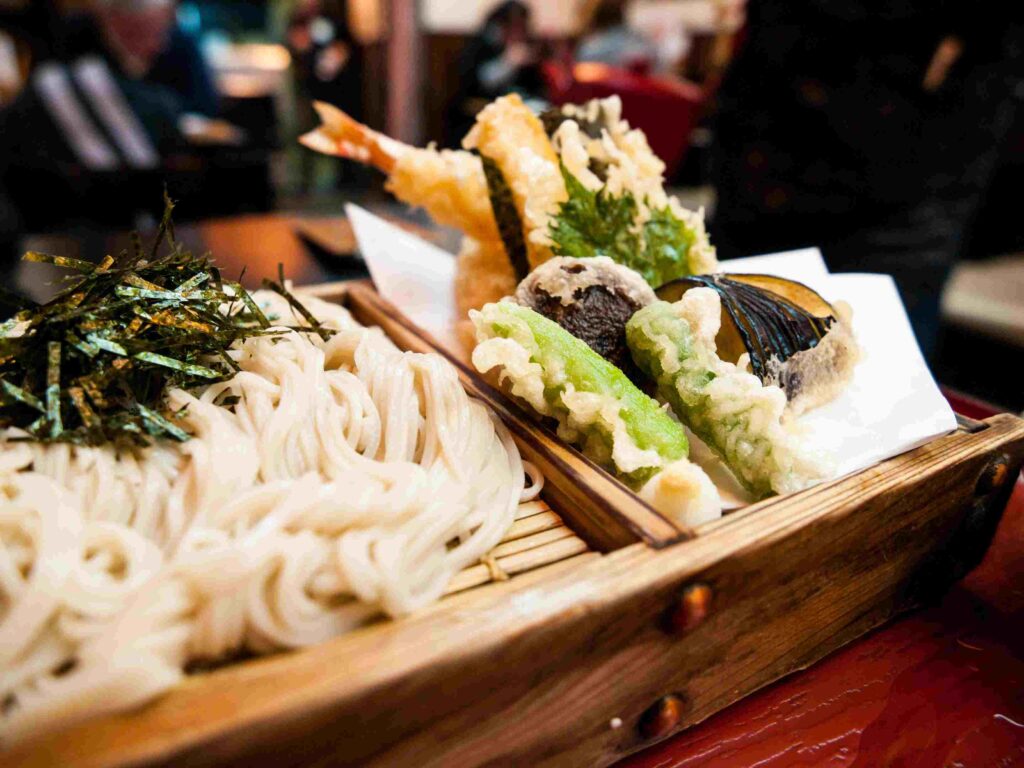
Japan offers a wide range of dining options, from casual noodle shops to high-end restaurants. For everyday meals, many travelers rely on ramen shops, curry restaurants, set-meal restaurants, and small local eateries.
Ordering food is often simpler than expected. Many restaurants display plastic food models or photo menus, making it easy to point to what you want even if you don’t speak Japanese. Some restaurants also use ticket vending machines, where you select and pay for your meal before sitting down.
Prices for casual meals are usually reasonable, and portion sizes are filling. Dining out in Japan doesn’t require tipping, and service is included in the price, which helps keep costs predictable.
Convenience Stores in Japan (Why They’re So Popular)
Convenience stores in Japan, often called konbini, play a much larger role than they do in many other countries. Stores like 7-Eleven, Lawson, and FamilyMart offer a wide selection of ready-to-eat meals, snacks, and drinks.
Convenience store food in Japan is known for being high-quality, fresh, and affordable. Items such as bento boxes, rice balls (onigiri), sandwiches, and hot foods are commonly eaten by both locals and travelers. Many visitors are surprised by how good convenience store meals taste compared to what they expect.
For travelers on a budget or those looking for a quick meal, convenience stores can easily cover breakfast, lunch, or late-night food without feeling like a compromise.
Cost of Food in Japan
Food costs in Japan are generally manageable, especially if you mix dining out with convenience store meals. Casual restaurants and convenience stores make it possible to eat well without spending a lot, while specialty restaurants and upscale dining can increase costs quickly.
Because tipping is not customary in Japan, the price you see on the menu is typically the final price you’ll pay. This makes budgeting for food much easier compared to destinations where tipping is expected.
Dietary Restrictions and Preferences
Travelers with dietary restrictions should be aware that Japan can be more challenging in this area, especially outside major cities. Vegetarian, vegan, and allergy-friendly options exist but may require extra research and flexibility.
Learning a few basic food-related phrases or carrying a translation app can be very helpful when communicating dietary needs. Larger cities tend to offer more options, while rural areas may have limited flexibility.
Convenience Stores Beyond Food
In addition to meals, convenience stores offer many useful services for travelers. These include ATMs that accept foreign cards, ticket purchasing services, and the ability to pay for items using IC cards.
Because convenience stores are everywhere and open around the clock, they often become a reliable fallback for travelers who need cash, snacks, or a quick meal at any time of day.
Why Food in Japan Is Less Stressful Than It Seems
For first-time visitors, food can feel like a major unknown. In reality, Japan’s food culture is welcoming, efficient, and designed to make eating easy even if you don’t speak the language.
Between casual restaurants, clear menus, and high-quality convenience store food, most travelers find that food quickly becomes one of the most enjoyable and stress-free parts of their trip.
Leave a Reply